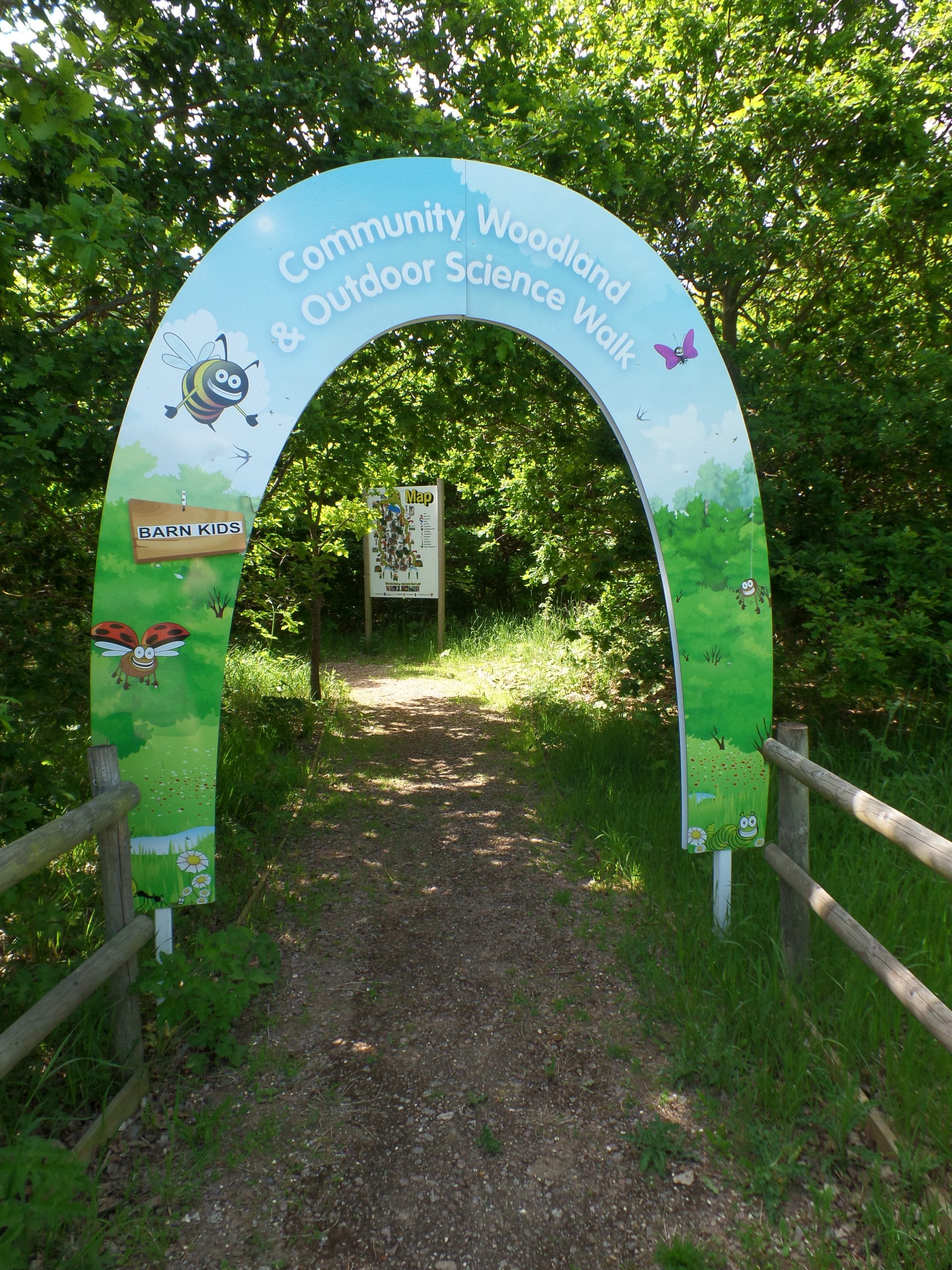
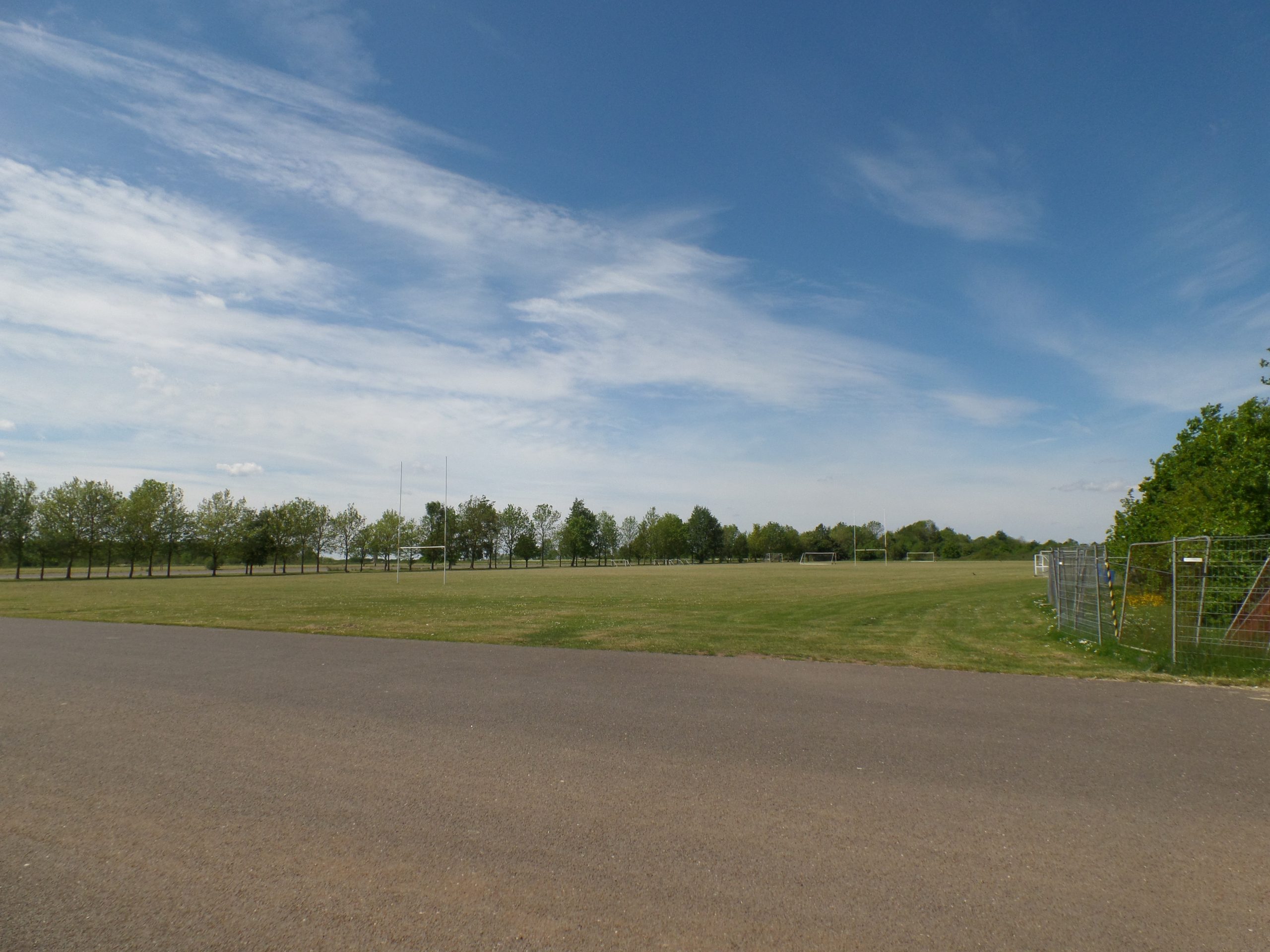
The site is around 130 hectares (320 acres) comprising ancient woodland, and more recently planted copses, as well as chalky-boulder clay grassland, scrub areas, a few small ponds and amenity land. The amenity land includes an environmental education area known as the Woodland Walk, which was created in 2016 with funding and support from members of the Saffron Walden Round Table.
The Local Wildlife Site designation number is Ufd309. This designation tied a lot of other conservation areas and green lanes together to form a larger mosaic of habitats across this area of Wimbish. The site includes part of an ancient wood (Peveral’s Wood) known as Harleyfield Grove. In the north is Ufd129 – Byway/green lane Fulfen Slade Lane. To the south is Ufd138- Elder Street Special Roadside Verge featuring sulphur clover (Trifolium ochroleucon), fairy flax (Linum catharticum) and spiny restharrow (Ononis spinosa) as well as a wide variety of grasses.
There are many Red listed birds which have been seen or heard including: – yellowhammer (Emberiza citronella), cuckoo (Cuculus canorus) and skylark (Alauda arvensis), starling, fieldfare, marsh tit, and spotted flycatcher (Muscicapa striata).
Amber listed species: – song thrush (Turdus philomenos), kestrel (Falco tinnunculus), meadow pipit (Anthus pratensis), willow warbler (Phylloscopus trochilus), dunnock and tawny owl.
We’ve also seen or heard redwing, reed bunting and bullfinch. But did you know that mallard, woodpigeon, sparrowhawk, rook, common whitethroat and wren are also amber listed species which call Carver Barracks Airfield home?
There are many green listed birds too – titmice such as great tits, blue tits, long-tailed tits and coal tits. The Great spotted woodpecker and green woodpecker are regularly heard, and evidence of their visits to nestboxes are very apparent as they drill into them to get chicks out. Many members of the crow family can usually be found feeding on the playing fields.
This site is regionally important for lichen (Punctelia reddenda). Other rare lichens included a grey leafy lichen, Physconia distorta, the first Essex record of a lichen which is common in the west of Britain, but very rare in the east.
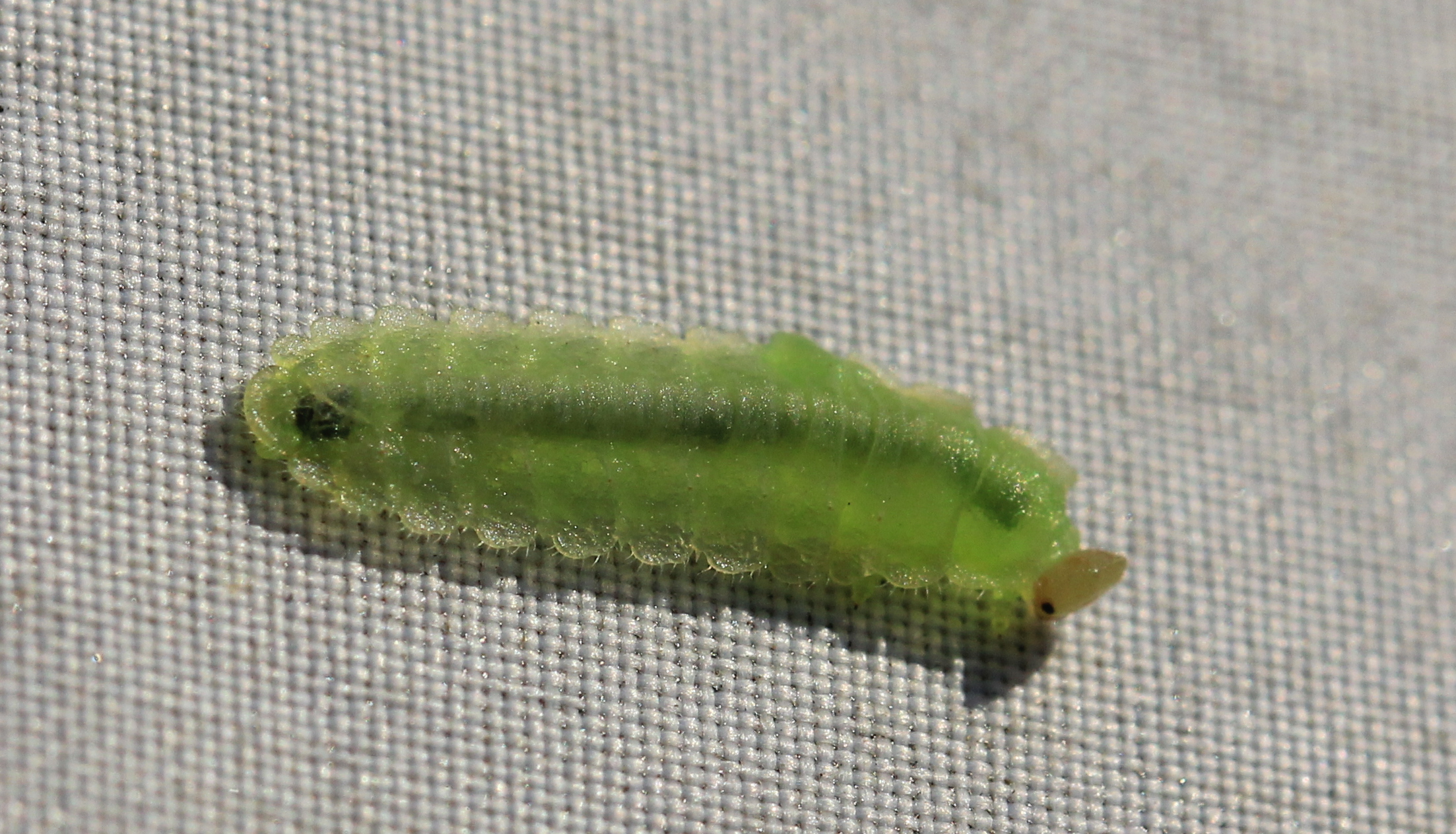
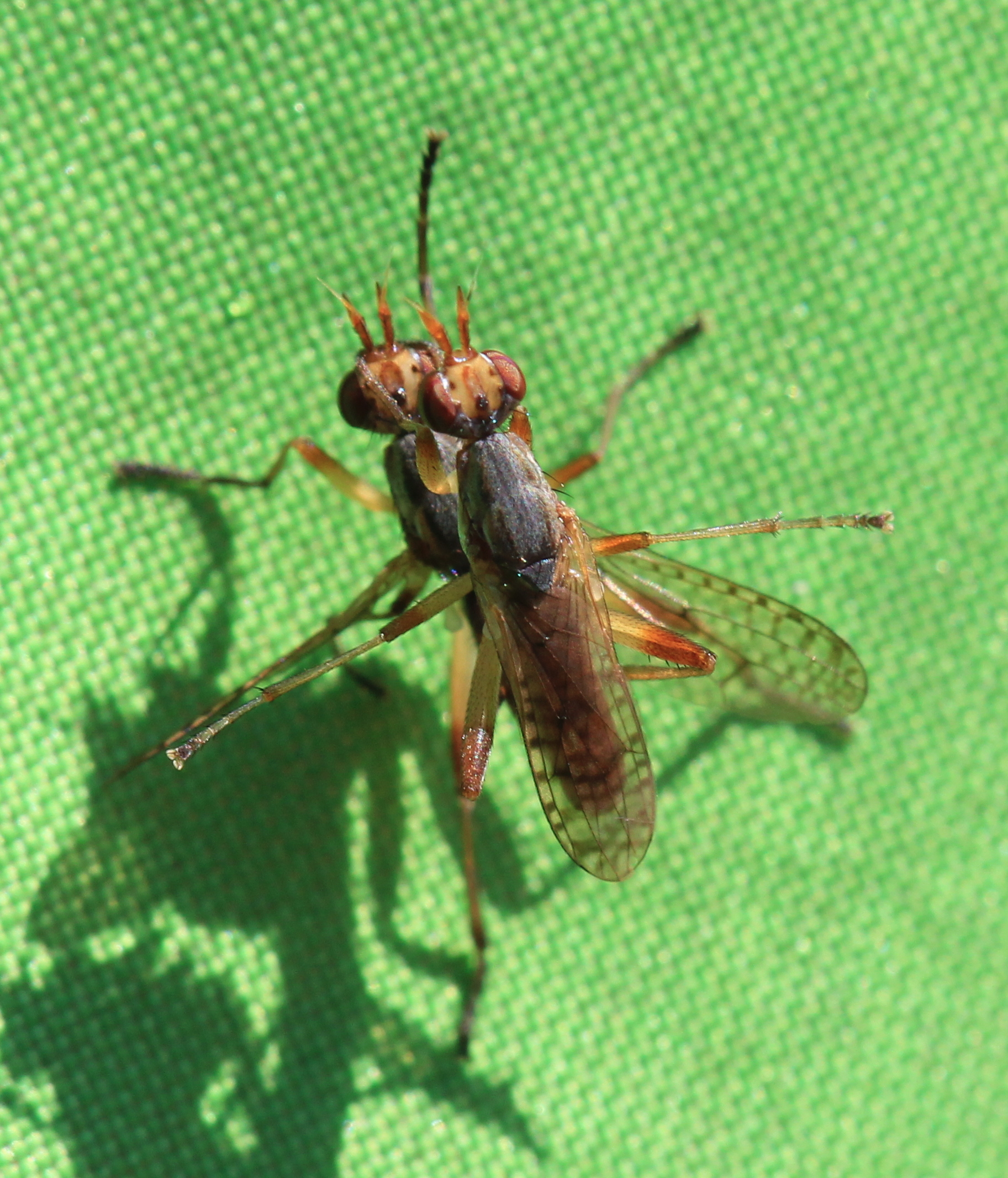
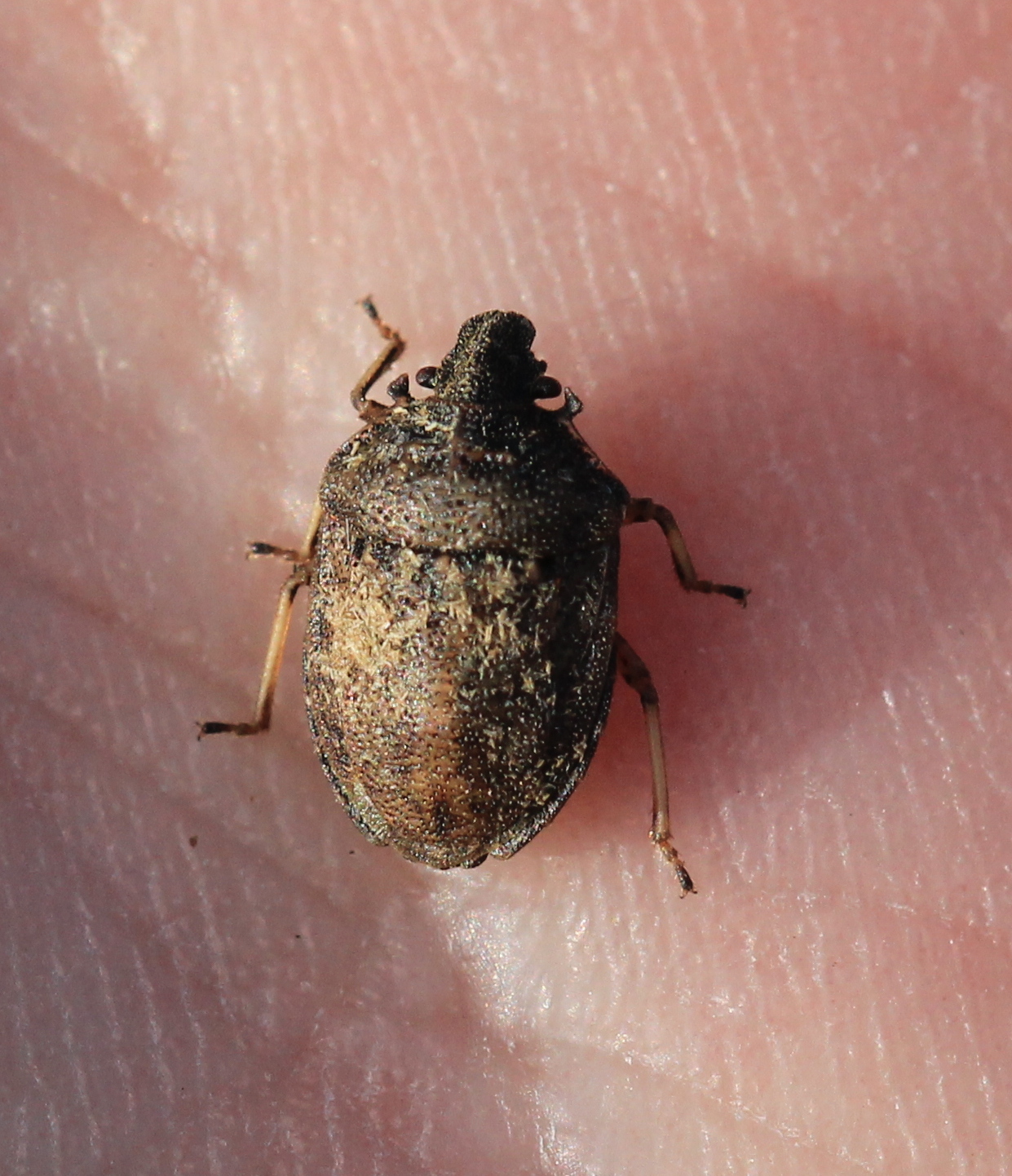
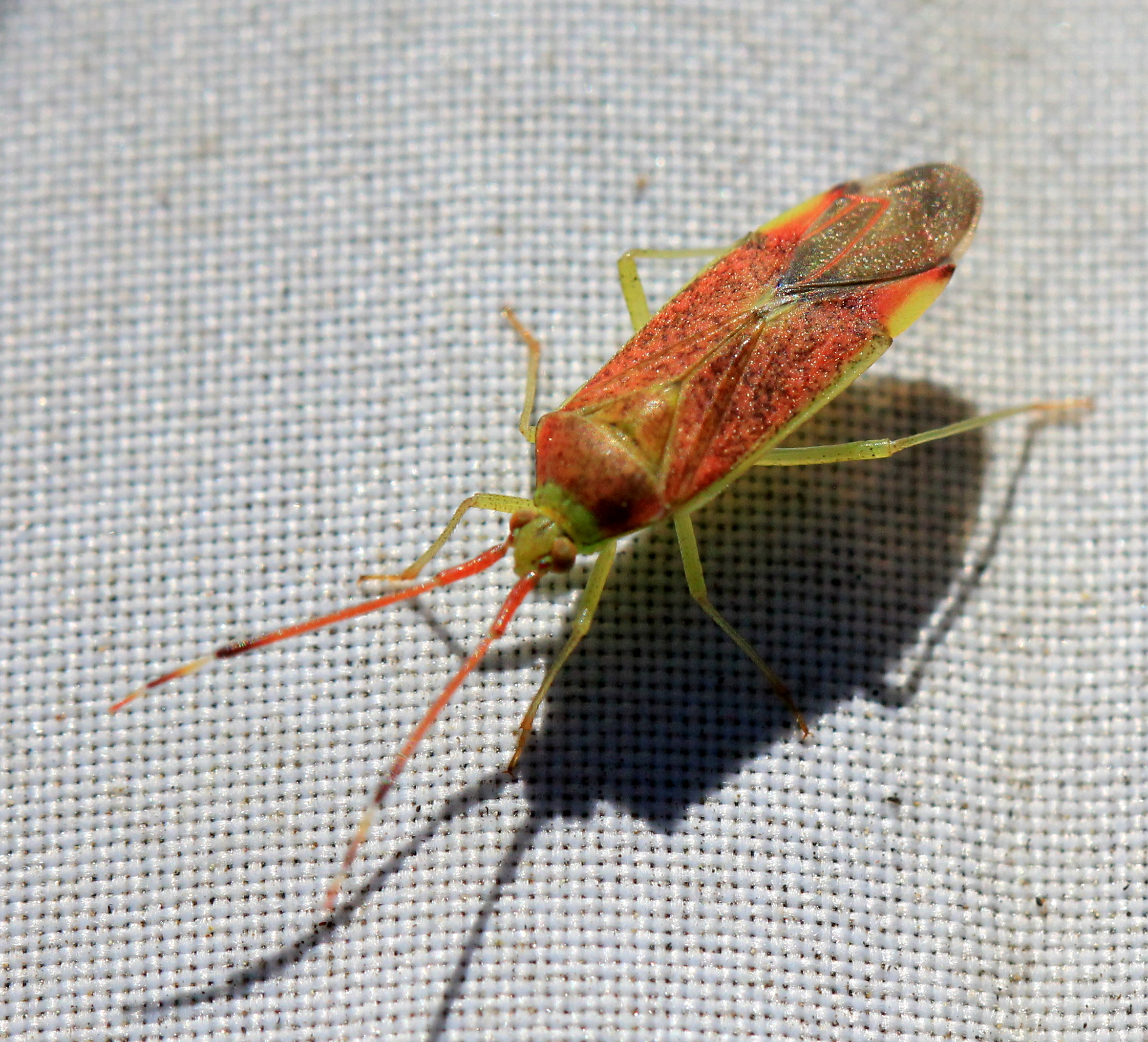
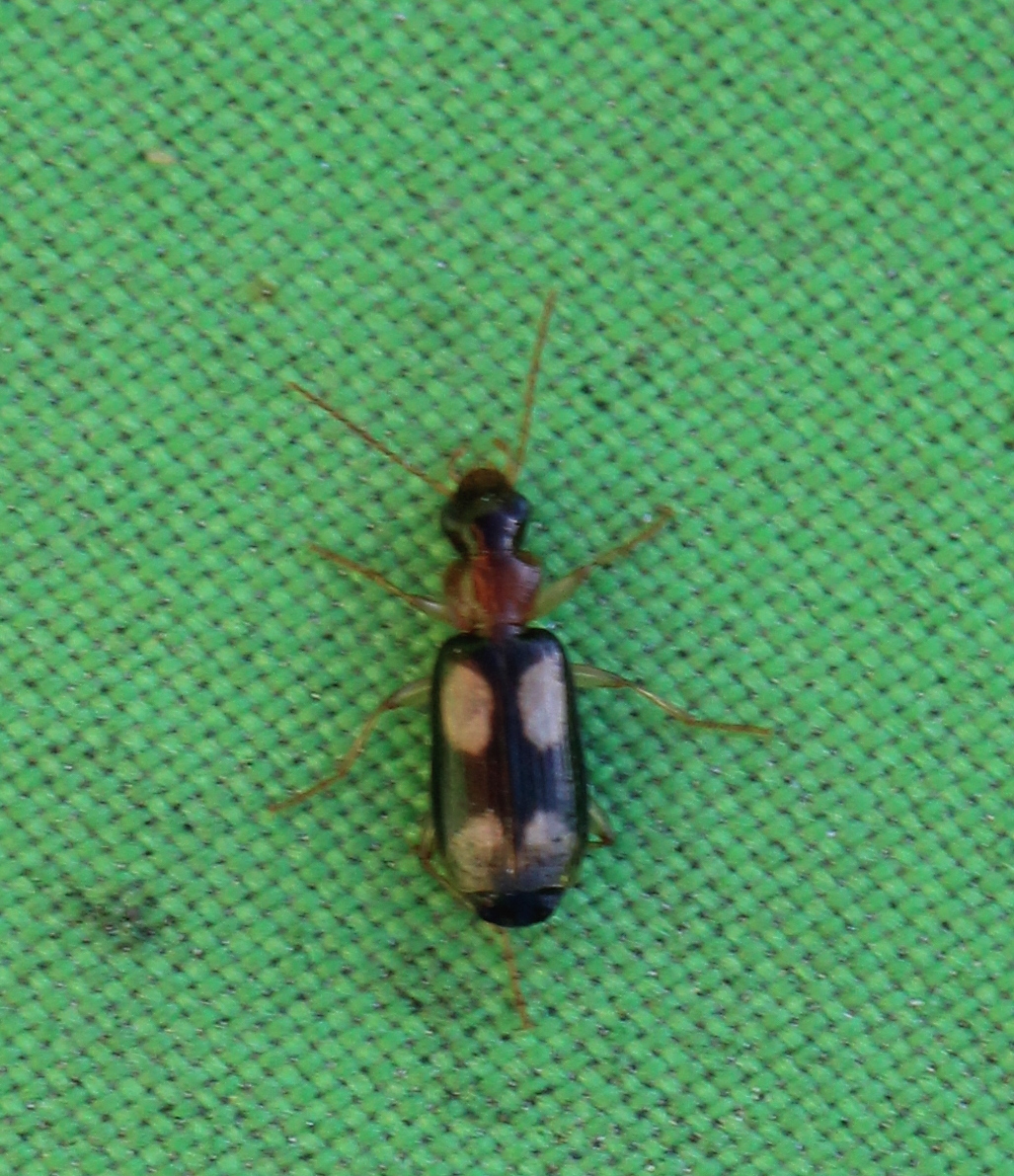
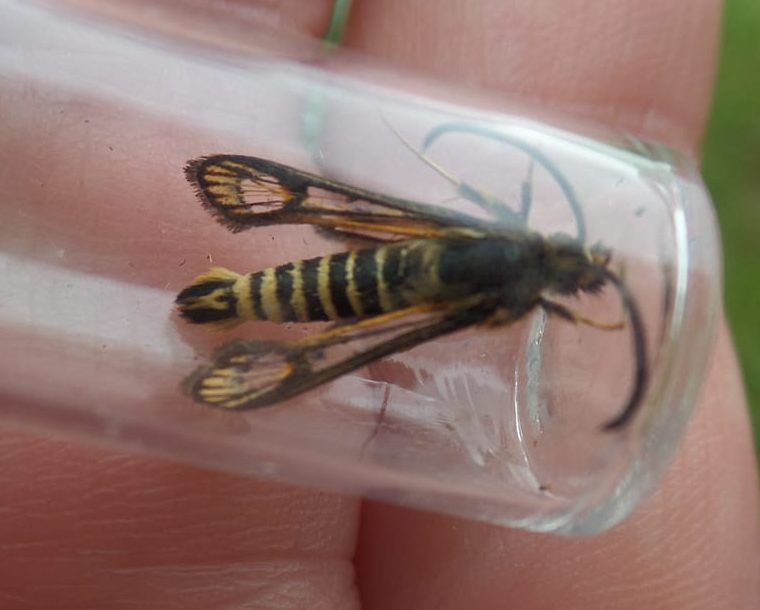
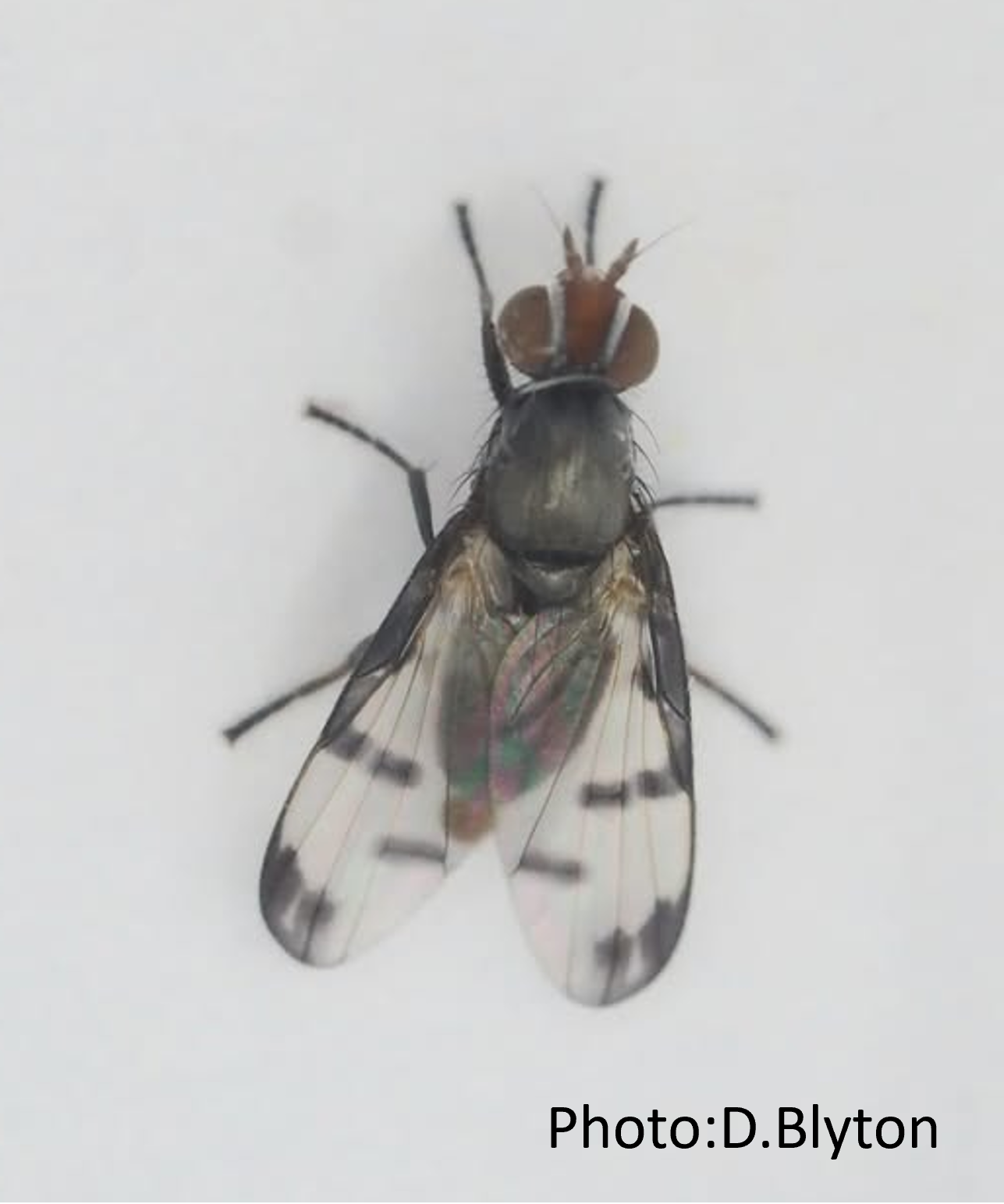
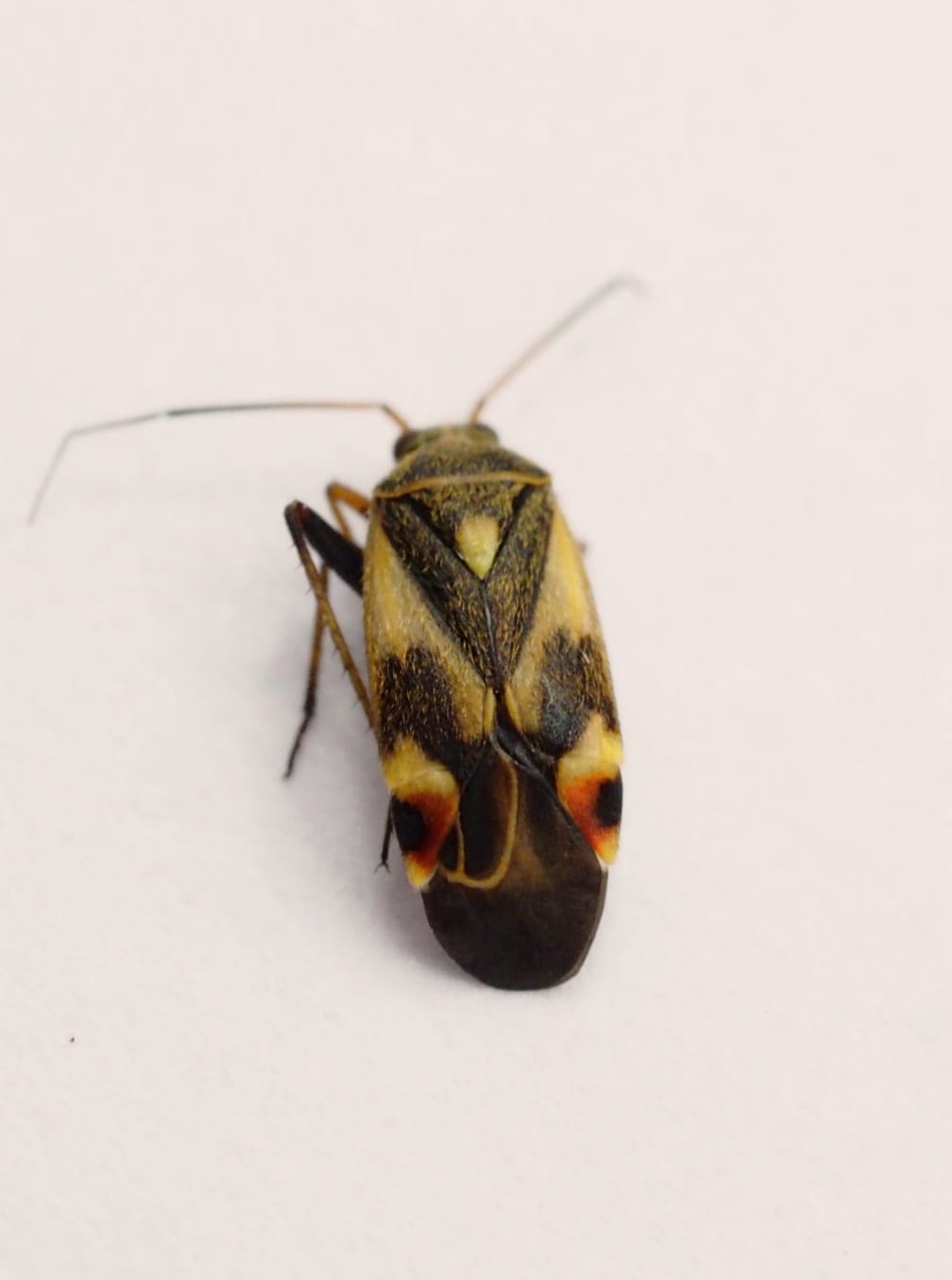
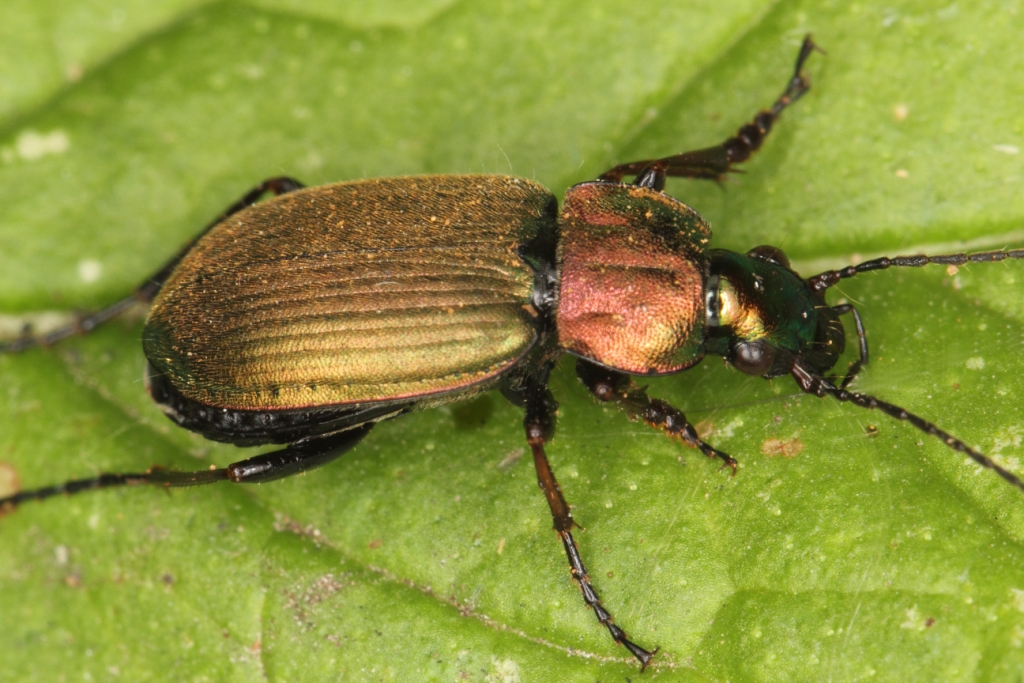
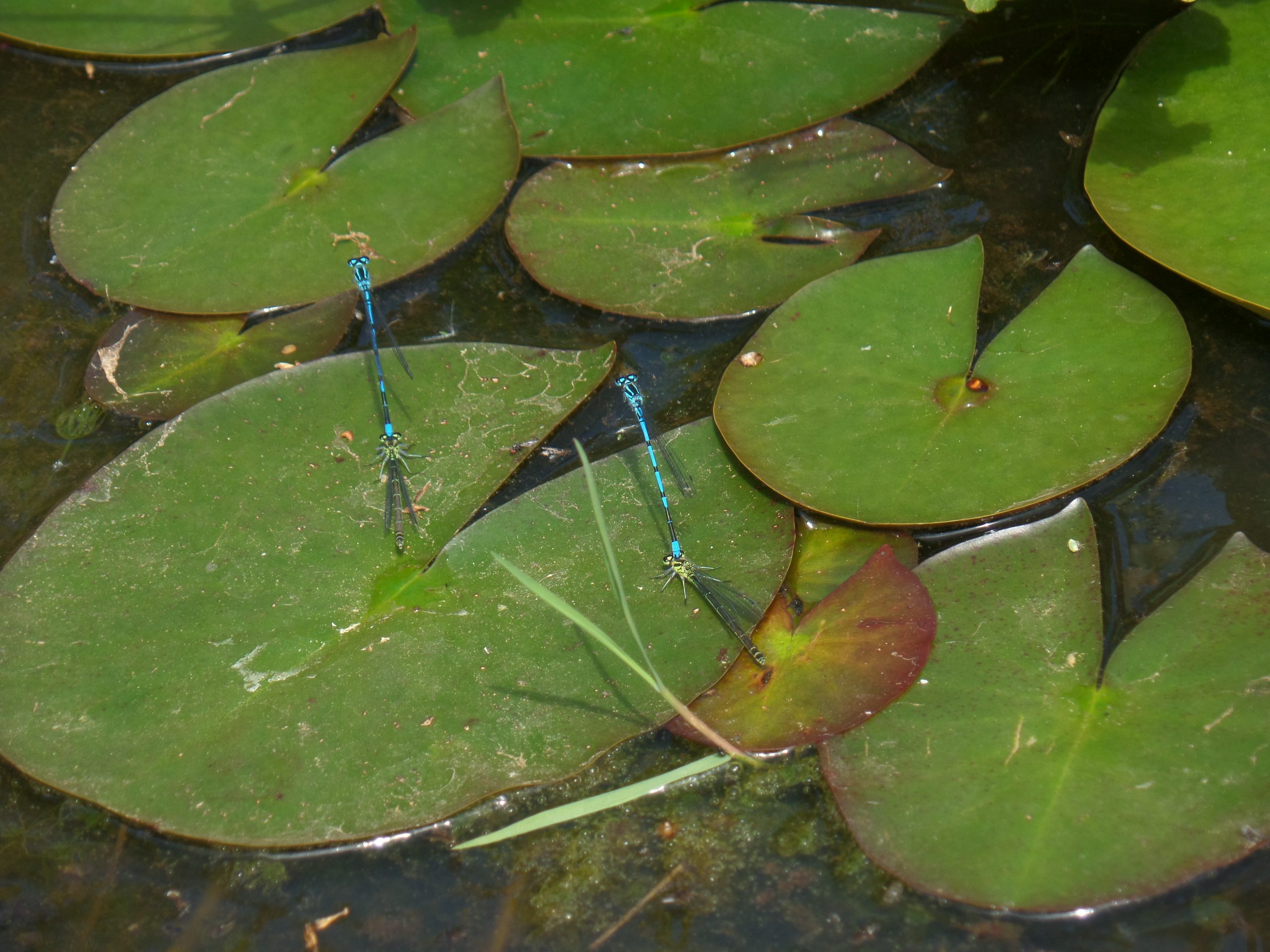
Many Essex Red Data Book invertebrate species have been found living on the site too; Yellow-legged zipper spider (Trachyzelotes pedestris), Adonis ladybird (Hippodamia variegata), red-tailed cuckoo (Bombus rupestris) and a plethora of species with only scientific names.
Please note: for your own safety, do not enter when red flags are flying, or red lights are on.
Article written by: Miss Fiona Hutchings BSc MSc MBNA